
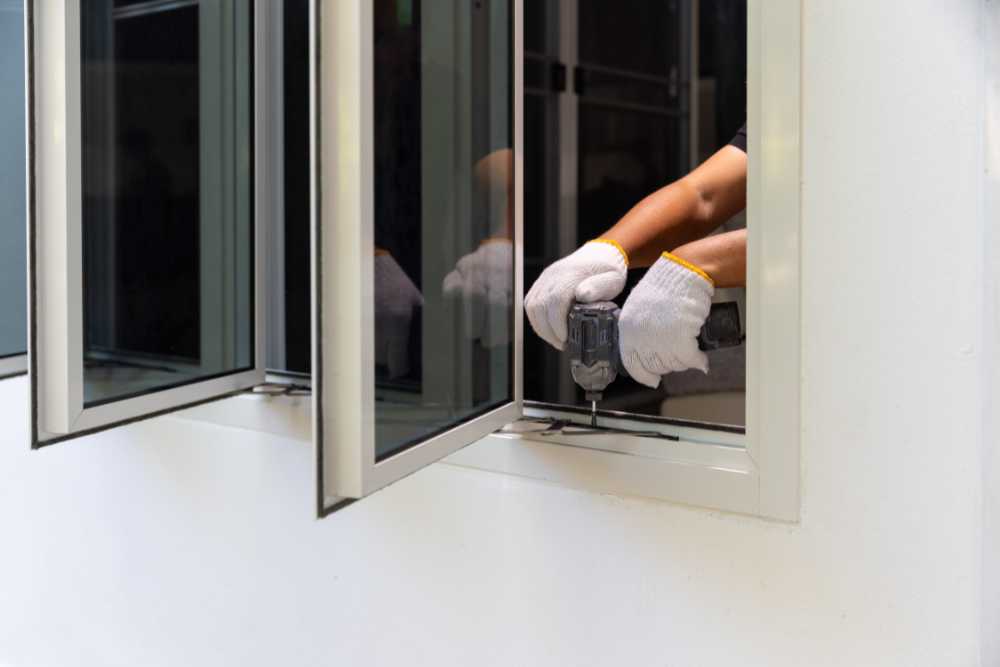
Glass Replacement has emerged as a cornerstone of sustainable construction, offering both functional and environmental advantages for modern building projects. By integrating advanced glass materials into architectural designs, structures can achieve improved energy efficiency, reduce reliance on artificial lighting, and minimize heat loss. The strategic use of high-performance panes helps regulate indoor temperatures, cutting down on energy consumption and lowering carbon footprints. Beyond energy considerations, Glass Replacement contributes to the overall longevity of buildings by providing durable, weather-resistant surfaces that require minimal maintenance. As construction trends increasingly prioritize eco-conscious solutions, this approach demonstrates how innovation in materials can align aesthetic appeal with environmental responsibility, making sustainable building practices more attainable and impactful.
Energy-Efficient Glazing
Glass Replacement plays a critical role in energy-efficient building design by improving thermal regulation and reducing energy consumption. Modern glazing materials minimize heat loss during colder months and limit solar heat gain in warmer seasons, decreasing the need for mechanical heating and cooling systems. This leads to lower utility costs and a smaller carbon footprint. By integrating energy-efficient panes throughout a building’s exterior, architects and builders create structures that maintain consistent indoor comfort while contributing to sustainability goals. The combination of performance, durability, and reduced energy demand underscores Glass Replacement as a cornerstone of green construction.
Natural Light Optimization
Strategically installed Glass Replacement enhances access to natural light, creating brighter, healthier interiors while reducing the need for artificial lighting. Daylighting contributes to occupant well-being, improves productivity, and reduces electricity consumption. Advanced glass technologies allow for optimal light transmission without excessive glare or heat gain, maintaining visual comfort in interior spaces. By incorporating larger or more efficient panes, architects can integrate sunlight seamlessly into building design, balancing illumination with energy efficiency. This approach demonstrates how Glass Replacement not only supports environmental goals but also elevates the quality and livability of spaces within sustainable construction projects.
Thermal Insulation Benefits
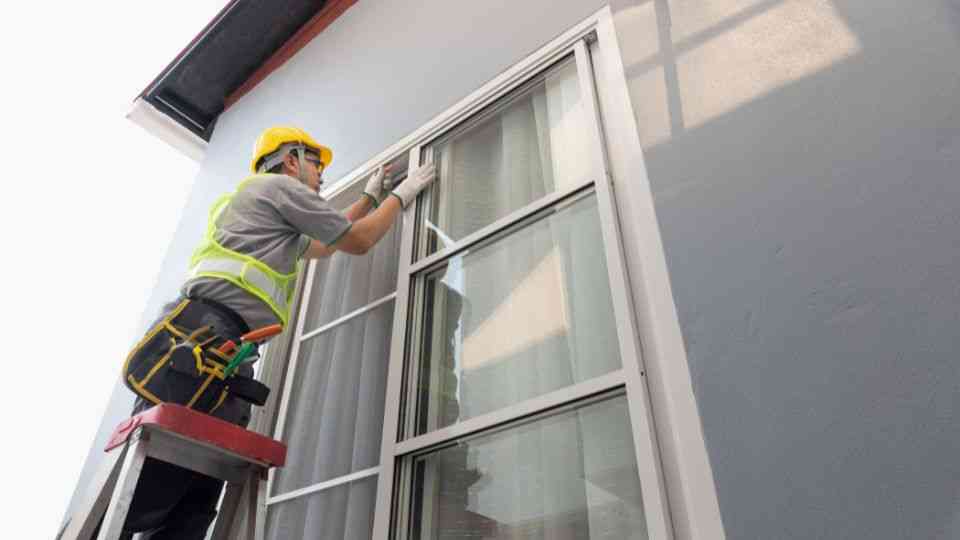
High-quality Glass Replacement significantly improves a building’s thermal insulation, helping to maintain stable indoor temperatures year-round. Insulating glass units reduce energy loss and limit drafts, ensuring consistent climate control while lowering heating and cooling demands. Enhanced insulation properties contribute to long-term energy savings and support eco-conscious construction strategies. By selecting glass materials with superior thermal performance, builders can create structures that meet stringent sustainability standards and reduce environmental impact. The combination of comfort, energy efficiency, and building resilience highlights the importance of Glass Replacement in modern sustainable architecture, where reducing energy consumption is a central objective.
Long-Lasting Material Strength
Unlike older or standard glazing, modern glass maintains structural integrity over time, reducing maintenance requirements and prolonging the lifespan of building envelopes. The strength and resilience of contemporary glass make it a reliable choice for sustainable construction, minimizing material waste from frequent repairs or replacements. By investing in long-lasting panes, developers contribute to resource conservation and lower lifecycle costs. Glass Replacement thus represents both a practical and environmentally responsible solution, combining structural performance with sustainable building practices.
Sustainable Resource Usage
Glass Replacement supports sustainable construction by utilizing materials that are recyclable and manufactured with reduced environmental impact. Many modern glazing options incorporate recycled content or are designed for energy-efficient production processes, reducing resource depletion and carbon emissions. By replacing outdated windows with eco-conscious alternatives, builders help conserve raw materials while improving building performance. This approach aligns with broader sustainability objectives, emphasizing responsible material selection and minimizing construction waste. Incorporating Glass Replacement into building projects demonstrates how thoughtful material choices contribute to greener construction practices, merging functionality, efficiency, and environmental responsibility in a single strategic upgrade.
Recyclable Glass Materials
Glass Replacement uses recyclable materials that reduce environmental impact while maintaining performance. By selecting glass that can be repurposed or recycled at the end of its lifecycle, builders contribute to resource conservation and lower landfill waste. These eco-conscious choices help reduce the carbon footprint associated with construction, supporting sustainable building practices.
Energy-Efficient Production
Modern Glass Replacement often incorporates energy-efficient production methods, reducing emissions and conserving resources. Advanced manufacturing processes minimize energy consumption during production, lowering overall environmental impact. By choosing glass made with sustainable practices, construction projects can align with green building standards and improve operational efficiency.
Reduced Carbon Emissions
Glass Replacement helps lower carbon emissions by reducing the need for energy-intensive heating and cooling. High-performance glazing improves insulation, minimizing energy consumption for temperature regulation. Additionally, eco-conscious materials used in manufacturing produce fewer emissions than traditional alternatives. By integrating these glass options, builders in sustainable projects can actively contribute to a cleaner environment while maintaining functionality and comfort. This approach highlights the role of Glass Replacement in mitigating environmental impact.
Minimizing Construction Waste
Replacing old or inefficient glass with modern alternatives reduces construction waste by extending the lifespan of building materials. Thoughtful selection and installation of Glass Replacement prevent unnecessary discarding of functional materials while improving energy performance. By reducing waste generation, builders support sustainable practices and conserve resources, aligning with broader environmental objectives. Incorporating such strategies demonstrates how eco-conscious material choices can positively impact both project efficiency and ecological responsibility.
Integrating Sustainability and Performance
Glass Replacement seamlessly merges sustainability with building performance, offering durability, energy efficiency, and aesthetic appeal. By using eco-friendly materials and advanced glazing technologies, structures achieve superior insulation, lighting optimization, and reduced maintenance requirements. This integration allows builders to meet environmental goals without compromising functionality or design. Sustainable glass solutions provide long-term benefits, showing that environmental responsibility and high-performance construction can coexist in modern architectural projects.
Reduced Environmental Impact
Implementing Glass Replacement in construction projects directly reduces a building’s environmental footprint. High-performance glass lowers energy use, reduces greenhouse gas emissions, and minimizes heat transfer through building envelopes. This reduction in energy demand contributes to global sustainability goals and supports environmentally conscious urban development. Additionally, the durability and longevity of modern glass reduce material waste and the frequency of replacements, further conserving resources. By integrating efficient glazing into both new and renovated structures, architects can create buildings that harmonize energy performance with ecological responsibility, making Glass Replacement a practical tool in mitigating the environmental effects of construction.
Enhanced Building Performance
Glass Replacement enhances overall building performance by combining energy efficiency, comfort, and durability into a single upgrade. Modern glazing improves indoor environmental quality, regulates temperature, and supports natural lighting strategies, creating healthier spaces for occupants. These improvements also contribute to operational efficiency, lowering maintenance costs and extending the lifespan of building envelopes. By incorporating advanced glass materials, structures achieve higher performance standards while meeting sustainability benchmarks. The synergy of aesthetic appeal, functional benefits, and environmental responsibility ensures that Glass Replacement is not only a design choice but a strategic investment in sustainable construction practices for the long term.
Conclusion
Glass Replacement advances sustainable construction goals by improving energy efficiency, enhancing natural light, and supporting eco-friendly building practices. By upgrading to modern, high-performance glass, structures in Oro Valley can achieve lower energy consumption, reduced environmental impact, and increased durability. This approach demonstrates how thoughtful material choices contribute to long-lasting, sustainable buildings that meet both functional and aesthetic standards. For expert guidance on Glass Replacement in Oro Valley, contact Vista Glass of Oro Valley today. Call 520-800-1003 to schedule a consultation and learn how our services can help your construction or renovation projects align with sustainable building goals while enhancing comfort and efficiency.